
EDITORIAL 05
Finding Rare and Difficult-to-Source Wines
Rare Wine Sourcing
Sourcing rare wine begins with a clear definition of what the client actually needs. A request for “a rare Burgundy,” for example, can mean very different things depending on producer, vineyard, vintage, bottle size, provenance and budget.
The more precise the brief, the more focused the search can become.
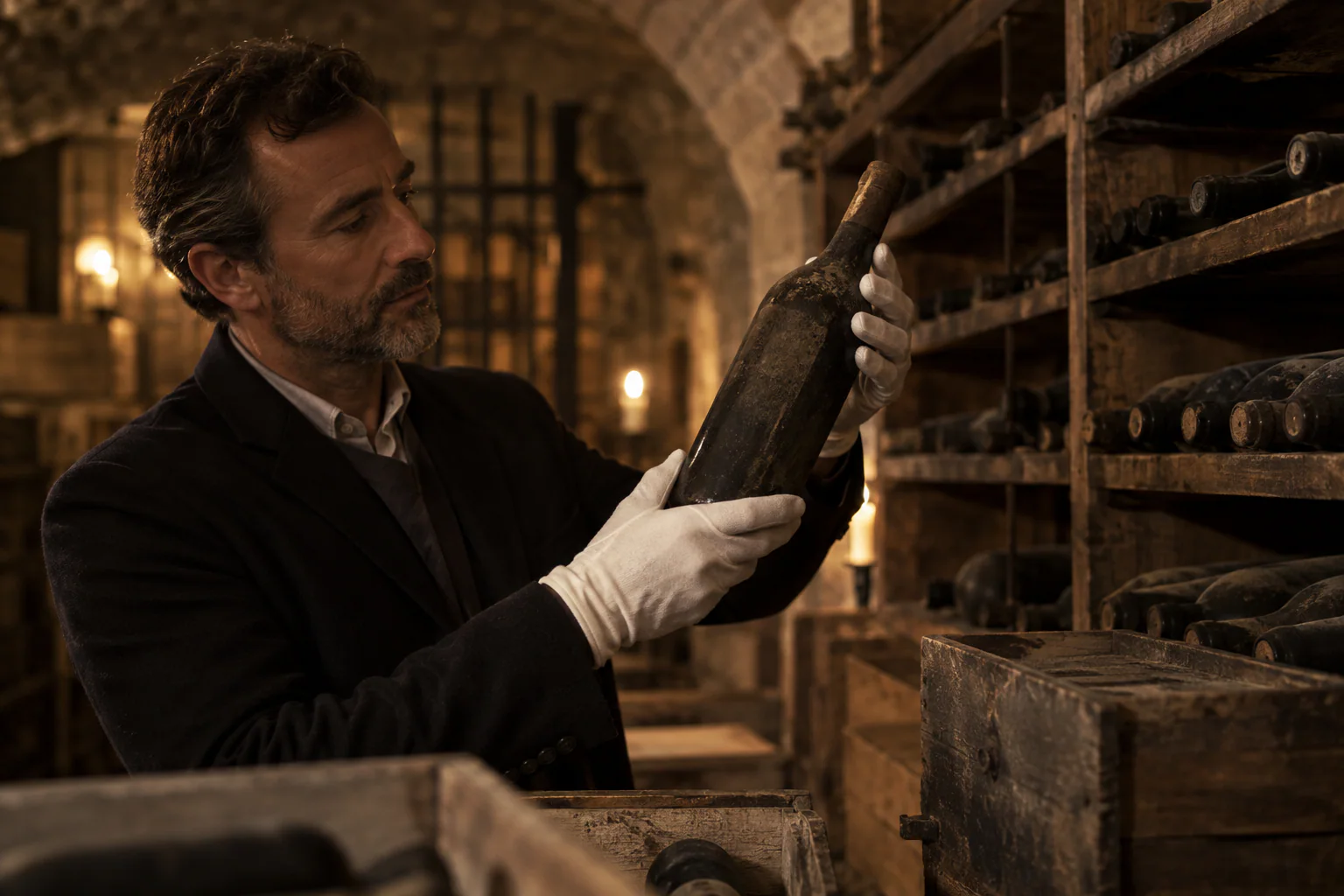
Availability is only one part of the process. Provenance, storage history, bottle condition and the reliability of the supply chain are especially important when dealing with older or higher-value wines.
It is also useful to maintain flexibility. When a particular producer or vintage is unavailable, carefully selected alternatives may offer a similar style, origin or drinking experience.
Timing should be realistic. Some wines can be sourced quickly through established channels, while others require a longer search and coordination across different markets.
Logistics also matter. Once a wine has been located, transport, temperature conditions, documentation and delivery arrangements can influence the final result.
For private collectors and hospitality businesses alike, specialist sourcing is therefore less about simply locating a bottle and more about managing the entire process with care.